Heart Health Starts at Your Feet: Supporting an Active Lifestyle for Heart Month
By Dr. Comfort Editor
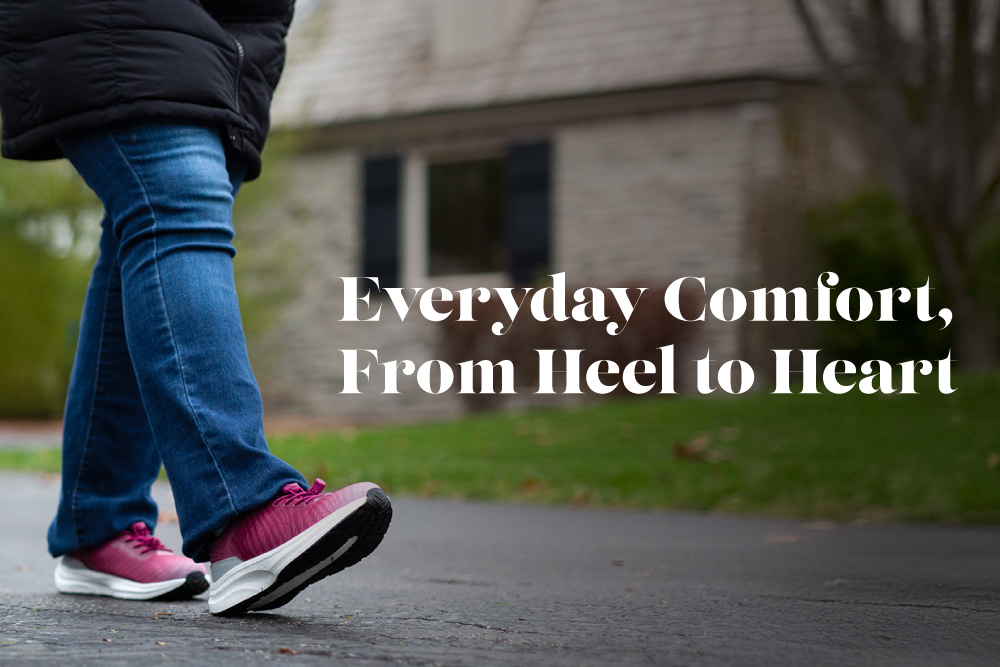
February is American Heart Month, a time to focus on cardiovascular health and the everyday habits that support a strong heart. While diet, exercise, and regular checkups are often top of mind, there’s one important factor that’s frequently overlooked: your feet.
Comfortable, supportive footwear plays a meaningful role in helping people stay active. When your feet feel good, you’re more likely to walk, move, and maintain healthy routines—simple actions that support overall heart wellness.
The Heart–Foot Connection
Healthy circulation is essential for both heart and foot health. Conditions such as diabetes, peripheral artery disease (PAD), and neuropathy can affect blood flow to the feet, leading to discomfort, swelling, and fatigue.
Foot pain or instability can quietly reduce daily movement. When walking becomes uncomfortable, people naturally move less—making it harder to maintain heart-healthy habits.
Supportive footwear helps encourage safe, consistent movement by:
- Reducing pressure points and irritation
- Supporting balance and stability
- Improving comfort during daily activity
- Helping you stay active with less fatigue
Why Proper Footwear Matters for Cardiovascular Wellness
Regular movement—such as walking, light exercise, or everyday errands—supports circulation, helps manage weight, and contributes to heart health. Shoes that lack proper support or fit can become a barrier to staying active.
Dr. Comfort footwear is designed to help remove those barriers with comfort-focused features, including:
- Extra-depth designs to accommodate swelling or orthotics
- Protective interiors to help reduce friction and irritation
- Firm heel counters for added stability and balance
- Lightweight construction to reduce fatigue
- Slip-resistant outsoles for confident movement
These features are especially beneficial for individuals managing diabetes, arthritis, or circulation-related concerns.
Featured Dr. Comfort Footwear to Support an Active Lifestyle
For Heart Month, consider footwear designed to support comfort, stability, and everyday movement.
Walking & Everyday Activity Shoes
Dr. Comfort walking shoes are ideal for daily movement, offering cushioning, stability, and breathable materials to support longer periods on your feet.
👉 Shop Men's Walking Shoes
👉 Shop Women's Walking Shoes
Quick-Fit Hands-Free Styles
Dr. Comfort Quick-Fit shoes provide hands-free convenience for easy on-and-off wear—ideal for those with limited mobility, balance concerns, or difficulty bending.
👉 Shop Quick-Fit/Hands-Free Shoes
Extra-Depth & Orthotic-Friendly Shoes
Extra-depth styles are designed to accommodate custom orthotics, swelling, or sensitive feet while maintaining proper alignment and comfort.
👉 Shop Women's Double-Depth Shoes
👉 Shop Men's Double-Depth Shoes
Supportive Slippers (Indoor & Indoor/Outdoor)
Foot support shouldn’t stop at the front door. Dr. Comfort slippers offer cushioning and stability for comfortable movement at home—where many slips and foot strain can occur.
Comfort Designed with Foot Health in Mind
Dr. Comfort footwear is thoughtfully designed with foot health as a priority and is frequently recommended by foot care professionals. Many styles carry the APMA Seal of Acceptance, recognizing products that promote good foot health when used as intended.
With orthotic-friendly construction, protective interiors, and stability-focused design, Dr. Comfort shoes help support comfort, balance, and long-term mobility—important elements of an active, heart-conscious lifestyle.
A Heart-Healthy Step Forward
This Heart Month, remember that supporting heart health doesn’t require extreme changes. Simple, consistent movement—made easier with supportive footwear—can make a meaningful difference.
By choosing shoes designed to support your feet, you’re helping support a more active, comfortable lifestyle—step by step.
Dr. Comfort is here to help you move comfortably and confidently, every day.
The contents of this blog were independently prepared and are for informational purposes only. The opinions expressed herein are those of the author and are not necessarily indicative of the views of any other party. Individual results may vary depending on a variety of patient-specific attributes and related factors.
-

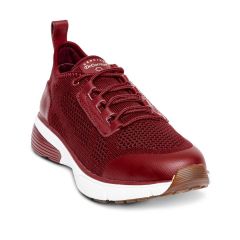
Diane
Women’s Athletic ShoeSpecial Price $140.25 Regular Price $165.00(13) ReviewsCasual footwear that helps prevent foot health issues while delivering a hint of athletic style. Learn More -
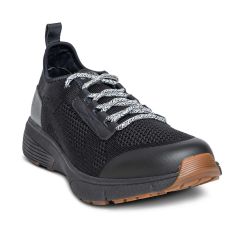
Jack
Men’s Athletic ShoeSpecial Price $140.25 Regular Price $165.00(7) ReviewsFootwear that helps prevent foot complications while delivering a hint of athletic style. Learn More -
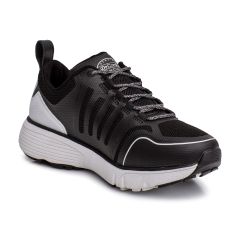
Grace X
Women’s Double Depth Athletic ShoeSpecial Price $140.25 Regular Price $165.00(9) ReviewsA cross-functional walking shoe that provides style and comfort and stability for any adventure. Learn More -
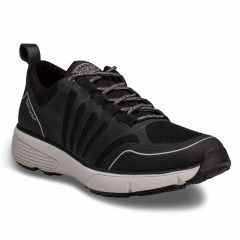
Gordon X
Men’s Double Depth Athletic ShoeSpecial Price $140.25 Regular Price $165.00(9) ReviewsA fashion-forward performance shoe providing comfort and stability for any adventure. Learn More -
Jay
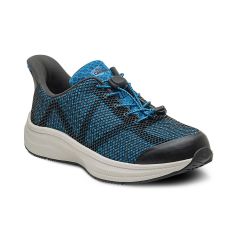
Men’s Hands-Free ShoeSpecial Price $140.25 Regular Price $165.00(3) ReviewsStylish, hands-free design for a comfortable and hassle-free fit, ideal for everyday wear. Learn More -
Robin
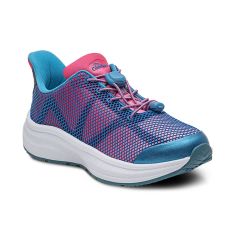
Women’s Hands-Free ShoeSpecial Price $136.00 Regular Price $160.00(2) ReviewsStylish, hands-free design for a comfortable and hassle-free fit, ideal for everyday wear. Learn More -
Relax
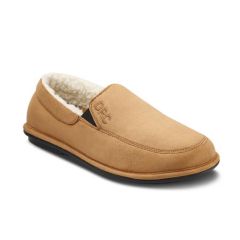
Men’s SlipperSpecial Price $65.44 Regular Price $76.99(11) ReviewsRelaxing slipper with a closed-heel design ideal for lounging or walking around the house. Learn More -
Cuddle
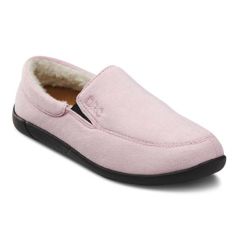
Women’s SlipperSpecial Price $65.44 Regular Price $76.99(25) ReviewsComfy and stylish slip-on, closed heel slipper, ideal for relaxing or walking around the house. Learn More