
Why Feet Hurt at Night: Causes & Fit Tips
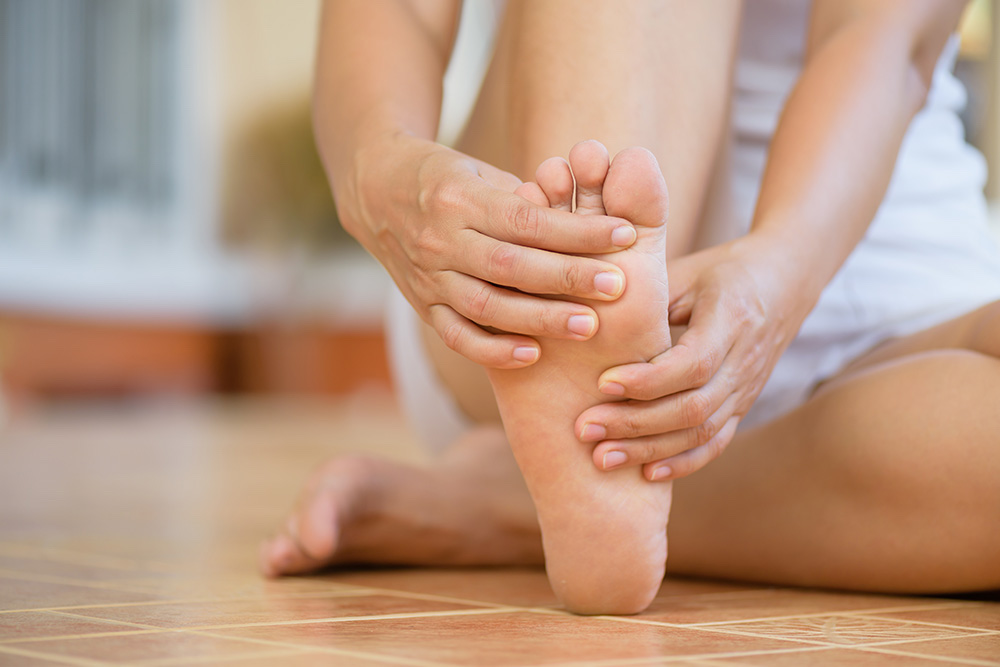
You made it through the day without much trouble, but now your feet throb as you finally sit down to rest. This frustrating pattern is surprisingly common, and it often stems from how your feet respond to daily activity, natural swelling, and footwear that does not adapt to your changing needs throughout the day.
At Dr. Comfort, we understand how discouraging it feels when foot pain interrupts your evening or keeps you awake at night. This article explains why nighttime foot pain happens, identifies the most common triggers, and offers practical footwear adjustments that can help you end each day more comfortably.
Why your feet hurt at night usually comes down to three things: swelling that builds during the day, muscle/tendon fatigue from standing or walking, and shoes that become too tight or unsupported as your feet expand. The fastest improvement often comes from checking end-of-day fit, switching to wider/roomier toe boxes or extra depth, and using stable support (not just soft cushioning).
Why Foot Pain Can Feel Worse at Night
Many people experience foot pain at night that intensifies once they finally sit down or climb into bed. This happens because of how your body responds to a full day of activity, combined with footwear choices that may not fully support your changing needs.
Swelling Builds Throughout the Day
When you stand or walk, gravity naturally pulls fluid toward your lower body. Over several hours, this fluid accumulates in your feet and ankles, causing them to expand.
By evening, your feet have reached their maximum volume. Research confirms that total foot surface and foot discomfort increased significantly at the end of the workday.1 This increased size means soft tissues press more firmly against bones, nerves, and the inside of your shoes.
If your feet regularly feel puffy or tight by evening, exploring shoes for swollen feet designed to accommodate volume changes throughout the day may help.
Muscle Fatigue and Overuse
You do not need to run a marathon for your feet to feel exhausted. Simply standing at a counter, walking through a store, or moving around your home places repetitive demands on dozens of small muscles and tendons.
This strain accumulates quietly. During the day, your body compensates by keeping those muscles engaged, masking the true workload. Once you lie down and those muscles finally relax, the accumulated fatigue becomes noticeable. Your feet may throb, ache, or feel heavy because they are no longer actively working to hold everything in place.
Shoes That Fit "Okay" Can Still Create Pressure
Footwear that feels acceptable in the morning often becomes problematic as hours pass. As your feet expand with fluid, that once-comfortable shoe becomes increasingly restrictive.
Certain areas tend to bear the brunt of this squeeze. A snug toe box, shallow upper, minimal arch support, or slight friction point intensifies as available space shrinks.
Selecting footwear that accommodates your feet at their largest, rather than their smallest, can interrupt this cycle of daytime pressure and nighttime pain.
The Most Common Nighttime Foot Pain Triggers
Beyond natural swelling and fatigue, specific footwear characteristics frequently contribute to discomfort after dark. Research shows that 11.1% of U.S. adults report plantar heel pain, making it one of the most common foot complaints.2 Understanding these common culprits helps you identify what might be affecting your own feet.
1. Footwear That's Too Narrow or Shallow
Shoes that squeeze the front of your foot or press down on the top restrict how your toes naturally spread with each step. This compression also restricts blood vessels and limits healthy circulation.
2. Not Enough Support (or the Wrong Support)
A soft, cushiony insole feels pleasant initially, but does not necessarily prevent pain. Without proper structure beneath your arch and around your heel, your foot works harder to maintain alignment. Pairing cushioning with structured arch support inserts addresses this balance, giving your foot both comfort and the control it needs.
3. Hard Surfaces and Long Standing Time
Retail floors, warehouse concrete, kitchen tile, and airport terminals share something in common. These unforgiving surfaces amplify the impact of every single step. Clinical guidelines confirm that an increase in weight bearing can also precipitate pain.
4. Sock/Insert Mismatch
Small details sometimes create surprising problems. Thick athletic socks paired with shoes sized for thin dress socks effectively shrink your available interior space. Insoles that slide around or have worn down flat no longer provide their intended support. These seemingly minor issues compound over eight or more hours.
Quick Self-Check: Is It Your Shoe Fit?
Before assuming something is medically wrong, it helps to investigate whether your footwear itself might be the issue. A few simple observations can reveal whether fit problems are contributing to your nighttime symptoms.
"End-of-Day Fit" Signs to Look For
Your body often leaves visible clues that your shoes are too restrictive. Watch for these indicators when you remove your shoes each evening:
- Indentations on your skin: Deep lines from sock elastic or shoe edges suggest excessive pressure.
- Increased snugness: Needing to loosen laces or straps by evening means your shoes cannot accommodate normal swelling.
- Irritated spots: Redness on toes, heels, or foot sides indicates friction and rubbing.
- Immediate relief: Feeling noticeably better the moment shoes come off confirms they were too tight.
These patterns suggest your current footwear does not account for how your feet change throughout the day.
Where the Discomfort Shows Up Matters
The location of your pain offers hints about what might be causing it. While only a healthcare provider can diagnose specific conditions, general patterns can guide your footwear decisions.
- Heel pain often relates to plantar fasciitis or inadequate cushioning.
- Pain through your arch frequently connects to insufficient structural support.
- Aching in your forefoot or toes typically points toward cramped toe boxes or overly narrow sizing.
Noticing where you hurt most helps you prioritize which shoe features to seek out.
Compare Two Pairs Test
A simple experiment can clarify whether specific shoes contribute to your symptoms. Wear one pair for an entire day, then wear a different pair the following day under similar conditions.
Track how your feet feel each night. Consistent differences between the two pairs reveal which design elements help or hurt your comfort.
If one pair consistently leaves you feeling better, examine what distinguishes it. Does it have more adjustability? A wider fit? Better arch support? Those observations guide smarter footwear choices going forward.
Shoe Features That Help When Feet Hurt at Night
Certain design elements specifically address the factors that contribute to evening and nighttime foot pain. Looking for these characteristics when shopping can set you up for more comfortable nights.
Adjustable Closures for Changing Swelling
Laces, straps, and elastic panels allow you to modify how snugly your shoe fits throughout the day. Loosening your footwear slightly as your feet expand prevents the squeeze that leads to throbbing later.
Dr. Comfort offers hands-free designs that provide secure fit without requiring you to bend over.
Width Options and Roomy Toe Boxes
Standard shoe widths force many people to cram their feet into spaces that do not match their natural shape. Toes pressed together all day create pressure that announces itself loudly at night. Healthcare experts recommend about 1cm space between the end of your longest toe and the end of your shoe, since feet stretch as you walk.
Extra Depth for Comfort + Inserts
Some shoes offer additional interior volume without increasing the external length. This extra depth accommodates swelling and leaves room for custom orthotic inserts.
Dr. Comfort's custom functional orthotics are precision-crafted to match your unique arch shape. They distribute pressure more evenly and reduce plantar fascia strain, which may help address nighttime heel pain.
Supportive Midsoles and Stable Outsoles
Pure softness underfoot feels nice initially, but does not prevent the mechanical strain that causes pain later. Your feet need structure to maintain proper alignment throughout your stride.
Stable outsoles prevent excessive inward or outward rolling with each step. Supportive midsoles keep your arch from collapsing under your body weight.
Simple Fit Tips to Try This Week
Small adjustments to how you select and wear your shoes can produce noticeable improvements. These practical steps require minimal effort but may significantly affect your nighttime comfort.
1. Measure Later in the Day (and Re-Check Width)
Foot size fluctuates throughout the day, so measuring in the morning gives inaccurate results. Measure your feet during the afternoon or evening hours when they have reached full volume.
Many people focus only on length while ignoring width, yet width frequently determines whether pressure builds. Ask specifically about width options when trying on new shoes. If you wear orthotics, keep them in place while measuring. This ensures your final shoe selection accounts for the space your inserts occupy.
2. Rotate Shoes and Replace Worn-Insoles
Wearing the same pair every day accelerates the breakdown of cushioning materials. Alternating between two or more pairs allows each to recover between uses and extends their lifespan of support.
Insoles flatten and lose effectiveness over time. Visible creasing, compressed padding, or uneven wear patterns indicate the need for replacement. Most insoles benefit from replacement every six months under typical daily wear conditions.
3. Choose the Right Shoe for the Day's Activity
Different activities place different demands on your feet. Matching footwear to your planned tasks reduces unnecessary strain.
- Days involving lots of walking call for flexibility and responsive cushioning.
- Extended standing requires strong arch support and stability features.
- Travel days benefit from lightweight construction and easy adjustability.
4. If Bending Down Is Hard: Consider Easy-Entry Options
Pain, stiffness, or limited mobility can make traditional lace-up shoes frustrating. Struggling to get footwear on properly often leads to poorly fitted shoes that cause problems later.
Hands-free and slip-on designs from Dr. Comfort provide a secure fit without requiring you to reach your feet. These options maintain proper support while eliminating the difficulty of traditional closures.
When to Get Professional Guidance
While many causes of nighttime foot pain respond well to footwear adjustments, some situations benefit from professional evaluation. Knowing when to seek help ensures you address underlying issues appropriately.
If Pain Is Persistent, Worsening, or Affecting Daily Life
Occasional foot discomfort after unusually demanding days falls within normal experience. Nighttime foot pain that continues for several weeks, grows more intense, or disrupts your sleep warrants closer attention.
Most nighttime foot pain responds to practical measures like those described throughout this article. However, persistent symptoms may indicate conditions that benefit from targeted medical treatment. A foot and ankle specialist can evaluate your specific situation, identify contributing factors, and recommend appropriate interventions.
If You Have Diabetes or Reduced Sensation
Diabetes increases vulnerability to peripheral neuropathy and circulation problems. Numbness, tingling, or reduced sensation means injuries may go unnoticed until complications develop. Up to 50% of diabetic peripheral neuropathy cases may be asymptomatic, which is why protective footwear matters even without obvious symptoms.4
Dr. Comfort's diabetic-friendly footwear addresses these specific needs. Regular foot examinations, diabetic shoe fit test, and proactive attention to fit remain essential components of long-term foot health for anyone with diabetes.
End the Day More Comfortable
Nighttime foot pain typically results from a combination of natural fluid accumulation, muscular fatigue from daily activities, and footwear that cannot accommodate your feet as they change throughout the day. Addressing these factors through smarter shoe selection and simple fit habits often produces meaningful improvement without requiring medical treatment.
Dr. Comfort specializes in orthopedic and therapeutic footwear, offering a wide range of shoes, socks, and inserts designed to support individuals with foot health concerns. Check out our products to see which one fits your needs best.
FAQs
Why do my feet hurt more at night than in the morning?
Foot pain often feels worse at night because your feet have handled a full day of standing and walking, your muscles and tendons are fatigued, and swelling has built up from gravity and activity. By evening, your feet are usually at their largest, which can make pressure and soreness easier to notice once you rest.
Can swollen feet cause pain at night?
Yes. Swelling increases pressure on soft tissues and can make shoes feel tight, leading to throbbing, tightness, or aching later in the day—especially if your footwear can’t adjust as your feet expand.
Why does my heel hurt at night in bed?
Nighttime heel pain is often linked to overuse and strain in the tissues that support your heel, such as the plantar fascia. Hard floors, long standing, and shoes that lack structure can contribute. Supportive diabetic shoes (and the right inserts) can reduce daily strain on the heel so pain is less likely to flare at night.
Can shoes that fit in the morning cause foot pain at night?
Nighttime heel pain is often linked to overuse and strain in the tissues that support your heel, such as the plantar fascia. Hard floors, long standing, and shoes that lack structure can contribute, so improving support and stability during the day often reduces nighttime flare-ups.
When should I worry about foot pain at night (and see a doctor)?
Absolutely. Feet commonly expand as the day goes on, so a shoe that feels fine in the morning can become restrictive by evening. Pressure in the toe box, across the instep, or along the sides can build all day and show up as pain at night.
Sources:
- National Center for Biotechnology Information (NCBI), PubMed Central. Changes in Baropodometric Evaluation and Discomfort during the Workday in Assembly-Line Workers. https://pmc.ncbi.nlm.nih.gov/articles/PMC11011590/
- Journal of Orthopaedic Surgery and Research (BioMed Central). Prevalence, characteristics, and associated risk factors of plantar heel pain in americans: The cross-sectional NHANES study. https://josr-online.biomedcentral.com/articles/10.1186/s13018-024-05300-y
- American Academy of Family Physicians (AAFP). Plantar Fasciitis: Guidelines From the American Physical Therapy Association. https://www.aafp.org/pubs/afp/issues/2025/0200/practice-guidelines-plantar-fasciitis.html
- Guy's and St Thomas' NHS Foundation Trust (NHS). Choosing shoes to reduce foot pain - Overview. https://www.guysandstthomas.nhs.uk/health-information/choosing-shoes-reduce-foot-pain
- National Center for Biotechnology Information (NCBI), PubMed Central. 12. Retinopathy, Neuropathy, and Foot Care: Standards of Care in Diabetes—2026. https://pmc.ncbi.nlm.nih.gov/articles/PMC12690177/
The contents of this blog were independently prepared and are for informational purposes only. The opinions expressed herein are those of the author and are not necessarily indicative of the views of any other party. Individual results may vary depending on a variety of patient-specific attributes and related factors.


