Why Walking Is One of the Best Forms of Exercise
By Dr. Comfort Editor
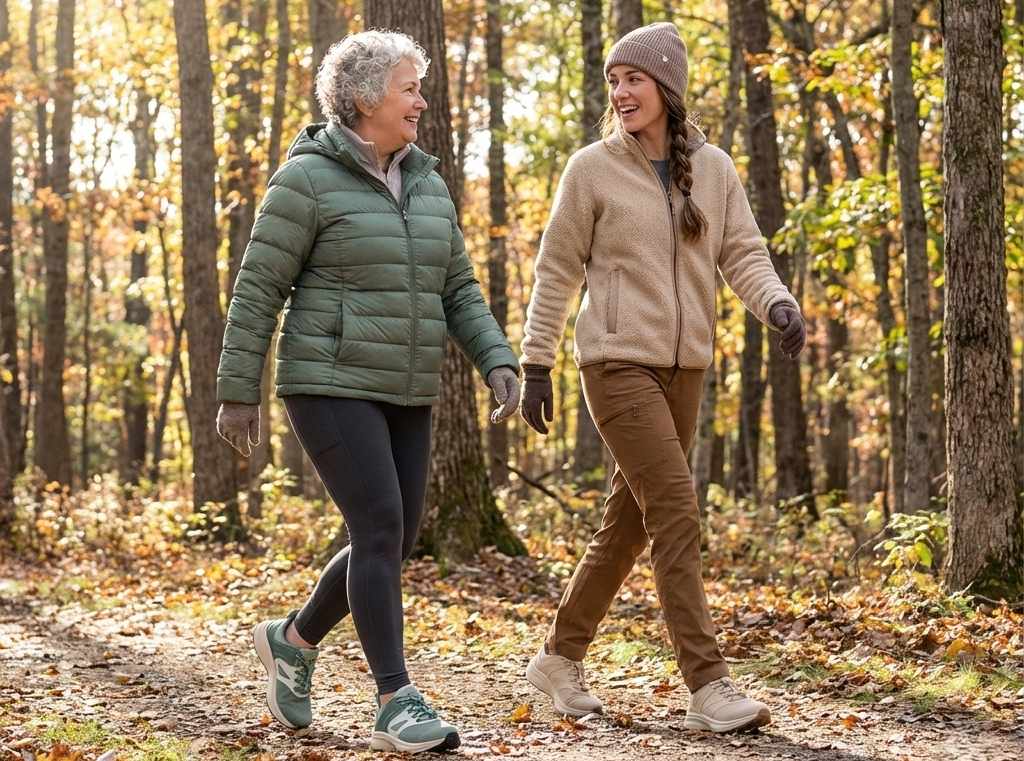
The benefits of walking are often overlooked in our fast-paced world that emphasizes high-intensity workouts and structured gym routines. Yet it remains one of the most effective, accessible, and sustainable ways to improve overall health. At Dr Comfort we are here to help you achieve your mobility goals!
How Does Walking Improve Cardiovascular Health?
According to the Mayo Clinic, walking is a form of aerobic exercise that engages large muscle groups and elevates the heart rate, benefiting heart and circulatory systems. Research consistently shows that even moderate daily walking can reduce the risk of heart disease, stroke, high blood pressure, and other cardiovascular conditions. A regular brisk 30-minute walk can lower resting heart rate, improve circulation, and help maintain healthy cholesterol levels. Thus improving cardiovascular fitness over time.
Large epidemiological studies also show that increasing daily step count is associated with significant reductions in cardiovascular risk and overall mortality. For example, walking 7,000 steps per day has been linked with lower rates of cardiovascular disease and related deaths compared with more sedentary levels of activity.
In What Ways Does Walking Support Joint Mobility and Balance?
Unlike high-impact exercises such as running or jumping, walking is gentle on the joints while still stimulating movement that maintains joint flexibility and muscle support. Regular walking helps lubricate joint tissues and strengthens the muscles surrounding joints. This enhanced support can reduce pain, lessen stiffness, and improve mobility and independence at any age. triadinternalmedicine.com
By stimulating balance and coordination, walking also plays a role in fall prevention, particularly for older adults. Integrated into daily routines, this low-impact movement keeps hips, knees, ankles, and the spine moving efficiently without excessive stress. Mayo Clinic
Can Walking Actually Boost Energy and Mental Well-Being?
Absolutely! The physical act of walking stimulates circulation and increases oxygen flow to the brain, which can improve alertness and energy levels. Psychological benefits are also well documented: walking releases endorphins (natural mood-enhancing chemicals) that help reduce stress, anxiety, and symptoms of depression. Mayo Clinic
Walking outdoors may offer additional mental health benefits due to exposure to natural scenery and fresh air, supporting cognitive function and creativity. Even a brief walk after meals has been shown to positively affect mood and mental clarity. Some research even suggests that “Forest Bathing” may even have immunity benefits. Harvard Health Publishing
Why Is Walking Great for Consistency and Long-Term Health?
One of walking’s biggest advantages is that it meets people where they are. It requires no special equipment, no gym membership, or advanced skill level; all ages and fitness levels can participate. Studies suggest that walking 30 minutes a day, even when broken into shorter segments, can deliver meaningful health benefits. betterhealth.vic.gov.au
Importantly, benefits begin at relatively modest levels of activity. You don’t have to hit that commonly promoted 10,000 step mark. Evidence suggest that fewer steps than this, can still reduce the risk for chronic illnesses and mortality compared with very low activity levels. This means consistent, moderate walking, when integrated into your daily life, can be transformative over time. Men's Health
How Does Walking Help with Weight Management and Chronic Disease Risk?
Walking burns calories and helps maintain a healthy metabolism. It plays a role in preventing weight gain and managing conditions like type 2 diabetes. Regular walkers often experience improved blood sugar regulation, reduced body fat, and better weight control overall. Mayo Clinic
Moreover, walking is associated with lower incidence of chronic diseases beyond cardiovascular health. Research shows it helps reduce the risk of hypertension, certain cancers, and metabolic conditions. Reducing these can lead to increased longevity and quality of life. betterhealth.vic.gov.au
How Do Dr. Comfort Shoes and Compression Products Support Walking?
Walking is most beneficial and sustainable when it’s comfortable. Foot pain or circulation issues can limit mobility, but the right footwear and compression products can mitigate those barriers. Dr. Comfort offers solutions that enhance comfort, reduce discomfort, and promote foot and leg health during daily activity:
Footwear That Supports Movement
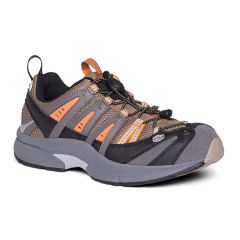
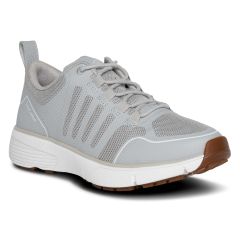
- Dr. Comfort Performance Men's Athletic Shoe and Dr Comfort Grace Women's Athletic Shoe: These walking shoes are designed with supportive cushioning, orthotic-ready insoles, and room for custom inserts, making them ideal if you have conditions such as peripheral neuropathy, plantar pain, or require extra stability. Research shows proper footwear reduces joint stress and encourages longer, more frequent walking. Dr. Comfort
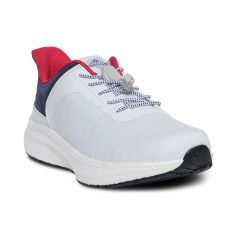
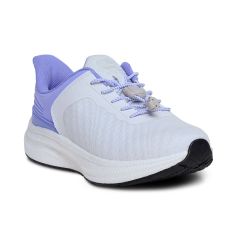
- Dr Comfort Don and Joy Hands-Free Shoes: On those days when you just can’t be bothered to bend down and put on shoes (in my case most days), step into these easy slip-on shoes. They are very comfortable for everyday walking, and they help prevent blisters and hotspots that may deter you from taking that daily jaunt.
Compression Support for Legs and Feet
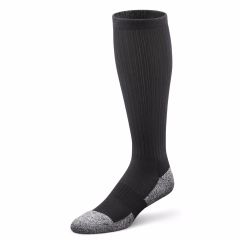
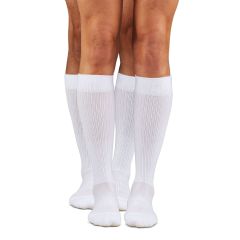
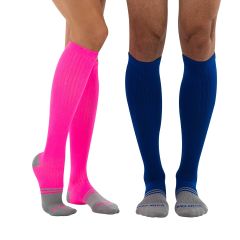
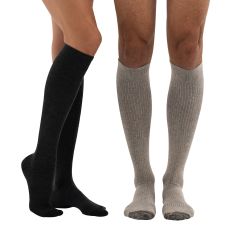
- Dr. Comfort Unisex Compression Socks: Graduated compression promotes circulation and helps reduce swelling and fatigue during and after walks. Graduated compression socks (typically 20-30 mmHg) support muscle recovery and comfort, particularly if you’re on your feet for extended periods.
- Dr Comfort compression can meet you where you are: It doesn’t matter if you are walking around the office, through the park or on the treadmill. Dr Comfort has a style to meet your needs. Standing all day, taking a long flight or just sitting with legs down all day, we have you covered. Prefer hosiery, no problem.
By pairing high quality walking shoes with the appropriate compression and cushioned socks, you can walk longer, recover faster, and reduce the foot and leg fatigue that often discourages regular activity.
In Brief
Walking is an effective, low-impact exercise that delivers measurable benefits that touch all parts of your wellbeing. Improving cardiovascular health, joint mobility, mental well-being, weight management, and preventing long-term chronic disease. It is accessible to nearly everyone and can be adapted to individual fitness levels and lifestyles.
So, take your first step and make walking more satisfying and sustainable, by investing in yourself. Millon's of customers can’t be wrong. Try our Dr. Comfort© supportive footwear and compression products to reduce discomfort, promote circulation, and support consistency. Help every step you take contribute to your long-term health!
The contents of this blog were independently prepared and are for informational purposes only. The opinions expressed herein are those of the author and are not necessarily indicative of the views of any other party. Individual results may vary depending on a variety of patient-specific attributes and related factors.
-

Performance
Men’s Athletic ShoeSpecial Price $140.25 Regular Price $165.00(63) ReviewsLightweight, cross-trainer providing arch stability, support and comfort. Learn More -
Grace
Women’s Walking ShoeSpecial Price $69.99 Regular Price $165.00(22) ReviewsA cross-functional walking shoe that provides style and comfort and stability for any adventure. Learn More -
Don
Men’s Hands-Free ShoeSpecial Price $140.25 Regular Price $165.00(9) ReviewsDr. Comfort® Quick-Fit: Hands-Free Comfort, Unbeatable Quality Learn More -
Joy
Women’s Hands-Free ShoeSpecial Price $140.25 Regular Price $165.00(2) ReviewsDr. Comfort® Quick-Fit: Hands-Free Comfort, Unbeatable Quality Learn More -
Therapeutic Comfort Below Knee Socks
Unisex Below Knee SocksSpecial Price $11.04 Regular Price $12.99(15) ReviewsOver-the-calf diabetic sock to help relieve aches and pains throughout the day. Learn More -
Therapeutic Sport Socks Below Knee 15-20mmHg
Unisex Compression SocksSpecial Price $28.04 Regular Price $32.9915-20mmHg Moisture-wicking performance compression socks Learn More -
Therapeutic Sport Starter Below Knee Sock
Unisex Compression Calf SockSpecial Price $34.83 Regular Price $40.98Over the calf sport sock designed with modern styling and 20-30mmHg graduated compression. Learn More -
Everyday Style Cotton Heather Below Knee Socks
Unisex Compression SocksSpecial Price $16.99 Regular Price $19.99Unisex, 10-15, 15-20 or 20-30 mmHg cotton heather below knee compression with space dye accents. Learn More