
How Dr. Comfort Compares to Other Therapeutic Shoe Brands
By Dr. Comfort Editor
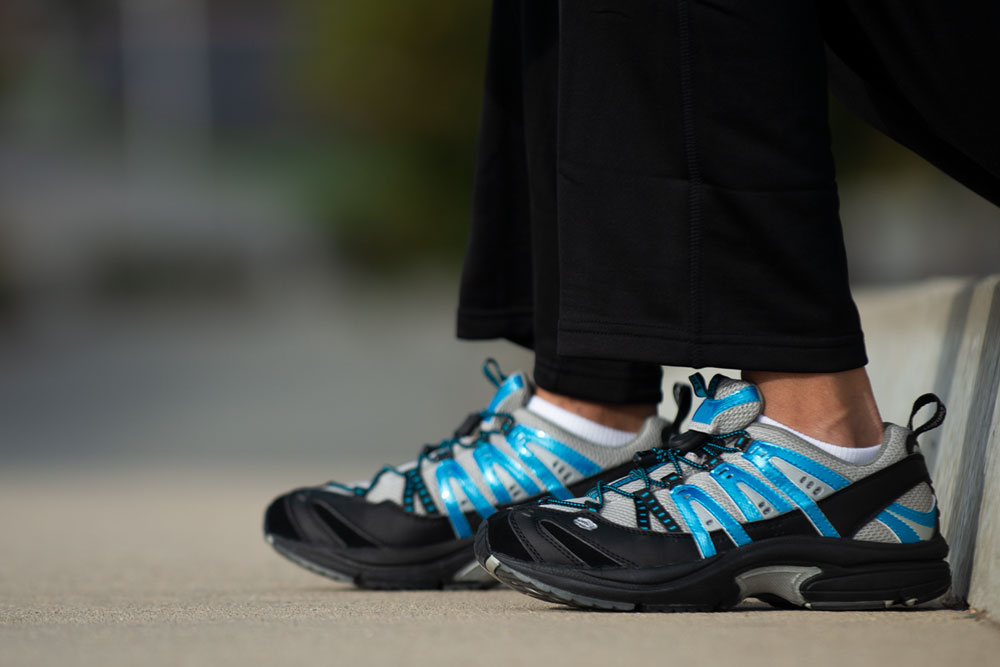
When you're managing foot pain, diabetes, or swelling, choosing the right therapeutic shoe brands can feel overwhelming. Many brands use similar language, but not all deliver the same depth, width options, or protective features your feet need.
This guide explains what makes a shoe brand truly therapeutic, which features matter most, and how Dr. Comfort measures up. The best brand for you matches your specific foot concerns and daily routine, not just the longest list of features.
The Short Answer: The Right Therapeutic Shoe Brand Depends on Fit, Support, Comfort, and Foot-Specific Needs
Finding the best therapeutic shoe brand isn't about picking the most popular name. It's about matching footwear to your foot shape, daily activities, and health concerns.
Why Brand Comparison Matters
Two brands can both claim the "therapeutic" label while offering very different experiences. One might provide generous width options while another focuses on cushioning but limits sizing. These differences matter when your feet need room for orthotics or protection from friction. Choosing orthopedic footwear without comparing could mean settling for shoes that pinch swollen feet or lack space for custom inserts.
What the Right Brand Can Help With
When you find a brand that truly fits your needs, daily life becomes easier. You can experience:
- All-day comfort: Supportive construction that feels good from morning to night
- Better accommodation: Room for conditions like bunions or swelling
- Orthotic compatibility: Design that works with custom inserts
All of these lead to greater confidence, knowing your comfortable shoes are working with your feet and ankle, not against them.
What Makes a Shoe Brand Therapeutic?
Understanding what "therapeutic" actually means helps you shop smarter and avoid marketing hype.
Therapeutic Shoes Are Designed with Comfort and Foot Protection in Mind
Therapeutic shoes are engineered for people managing foot pain and health concerns, such as diabetes, arthritis, and chronic swelling. Key features that distinguish truly therapeutic footwear:
- Extra depth: More interior space for inserts or swollen feet
- Wide widths: Options beyond standard sizing
- Cushioned interiors: Padding that protects sensitive areas
- Seamless linings: Smooth construction that reduces friction
- Removable insoles: Accommodation for custom orthotics
Some therapeutic and orthotic shoes, particularly diabetic shoes (shoes made to help protect feet affected by diabetes), may qualify for Medicare coverage under specific guidelines.
Not All Therapeutic Brands Prioritize the Same Features
Some companies start as athletic brands and add comfort features later. Others build their entire product line around medical needs from day one. Dr. Comfort falls into the purpose-built category, offering shoes alongside socks and inserts as a complete foot care system.
6 Features to Compare When Looking at Therapeutic Shoe Brands
When evaluating any therapeutic brand, these six areas reveal how well the shoes will serve your feet.
1. Width and Fit Options
Strong therapeutic brands offer multiple width choices, and understanding the difference between wide and extra-wide shoes can help you find the perfect fit. A wide toe box matters greatly for feet affected by:
- Bunions: Bony bumps that form at the base of the big toe
- Morton's neuroma: Nerve irritation in the ball of the foot that can cause pain, tingling, or numbness
- Hammertoes: Toes that bend abnormally at the middle joint
2. Depth and Interior Space
Quality shoe inserts need adequate space to function properly. Extra-depth and double-depth construction create room for custom orthotics or diabetic inserts. Look for removable insoles and smooth interior construction.
3. Cushioning and Support
True therapeutic cushioning means structured support, not just softness. Essential support elements include proper arch support, a firm heel counter, and a supportive midsole that distributes weight evenly. These features are especially important if you need arch support for overpronation or flat feet.
4. Stability and Sole Design
Slip-resistant outsoles provide security for those with balance concerns, neuropathy, or Charcot foot. Compare features like motion control elements, rocker soles for smoother walking, and secure heel fit that prevents excessive movement.
5. Ease of Entry and Adjustability
Velcro straps, elastic laces, and toggle closures help people with limited hand mobility. Hands-free shoe technology takes convenience further, an innovation few therapeutic brands offer.
6. Everyday Wearability
The best therapeutic brands provide options for different settings:
- Athletic sneakers
- Casual walking shoes
- Dress styles
- Sandals
- Orthopedic slippers
- Clogs
Modern therapeutic brands prove that stylish shoes don't have to sacrifice support.
How Dr. Comfort Compares on the Features Shoppers Often Care About
Dr. Comfort was designed from the start as a therapeutic footwear company, not a general brand that added comfort features as an afterthought. Here’s how the brand commits to therapeutic features:
- Fit-focused options: The brand offers multiple widths alongside extra-depth and double-depth options with removable insoles ready for orthotic inserts. Styles are available for both men and women across various foot shapes.
- Comfort and support features: Dr. Comfort orthopedic shoes feature cushioned interiors, supportive midsoles, and firm heel counters. The brand's coordinated inserts and socks can help reduce friction and maintain a more consistent in-shoe fit.
- Everyday usability: Hands-free shoe technology and adjustable closures make getting shoes on and off simpler. The style range spans athletic sneakers, dress shoes, and other casual options such as sandals and slippers.
All designs look modern while potentially qualifying for Medicare coverage.
What to Avoid When Comparing Therapeutic Shoe Brands
Smart shopping means knowing what pitfalls to sidestep:
- Choosing based on looks alone: A shoe might look supportive without providing the depth, width, or protective interior your feet need. Always check the insole design, interior seams, and available sizes before purchasing.
- Overlooking foot-specific needs: What works for one person may disappoint another. The best shoes for plantar fasciitis may not suit someone managing diabetic neuropathy. Start with your specific concerns and match features accordingly.
How to Choose the Right Therapeutic Shoe Brand for Your Needs
The ideal brand emerges when you understand your own feet and how you spend your days.
Start with Your Foot Concerns
Ask yourself these questions:
- Do you experience swelling?
- Need extra width?
- Use custom orthotics?
- Have sensitivity or numbness?
Your answers should guide which features deserve attention first. Consult your podiatrist for specific recommendations on how to get orthopedic shoes tailored to your needs.
Consider How and Where You Will Wear the Shoes
Daily walking, work shifts, and standing for hours each require different priorities. Long walks demand different cushioning than low-impact activities around the house. If you need therapeutic footwear for multiple settings, look for brands offering diverse styles from sneakers to sandals.
5-Step Checklist: How to Compare Therapeutic Shoe Brands
Use this framework when evaluating any therapeutic footwear brand.
Step 1: Check Width and Depth Options
Key questions to answer:
- Does the brand offer multiple widths?
- Are extra-depth or double-depth designs available?
- Can you remove the factory insole for custom orthotics?
Step 2: Review Support and Cushioning Features
Look for structured arch support, firm heel counters, and cushioned midsoles. Quality footbeds ease pressure on sensitive areas.
Step 3: Look at Stability and Outsole Design
Confirm slip-resistant soles and check whether rocker soles or other stability features are available. Midfoot support prevents arch collapse.
Step 4: Consider Adjustability and Ease of Wear
Explore hands-free shoes, Velcro straps, toggle closures, and elastic laces if mobility is a concern.
Step 5: Choose the Brand That Best Matches Your Daily Needs
Align your specific foot conditions with each brand's strengths, including style variety and potential Medicare eligibility.
FAQ
What Are Therapeutic Shoe Brands?
Footwear companies specializing in shoes that work with support inserts and are designed for foot health needs like diabetes (a condition that can affect foot feeling and circulation), neuropathy (nerve damage that can cause numbness or tingling), or bunions (bony bumps near the big toe), typically feature extra depth, wide widths, and protective interiors.
How Is Dr. Comfort Different from Other Therapeutic Shoe Brands?
Dr. Comfort is purpose-built for therapeutic needs with:
- Construction designed to help protect feet affected by diabetes
- Hands-free technology
- Orthotic-friendly insoles
- Coordinated footwear accessories that can support fit and friction control
What Features Should I Compare Across Therapeutic Footwear Brands?
Focus on these key areas:
- Width and depth options
- Cushion and support
- Stability and sole design
- Everyday wearability
Are All Therapeutic Shoe Brands Good for Sensitive Feet?
Not necessarily. Some comfort footwear emphasizes general cushioning without protections for feet affected by diabetes, like seamless interiors or extra depth for support inserts.
How Do I Choose the Best Therapeutic Shoe Brand for Me?
Start with your foot concerns, match them to brand features, consider your daily routine, and consult your healthcare provider if you have medical conditions.
Stay Comfortable and Supported with Dr. Comfort
The right therapeutic shoe brand offers fit, support, and condition-specific features matching your everyday needs. Not all brands labeled "therapeutic" provide equal construction, depth, or protective features.
Dr. Comfort brings supportive construction and easy-entry designs into styles intended for daily wear. The brand’s footwear line is built for people who need added depth, width, and cushioning in daily shoes. Its product line emphasizes protective construction, easier entry, and modern styling for daily wear.
Explore therapeutic shoes built with fit, protection, and everyday wearability in mind. Shop Dr. Comfort footwear today and discover supportive shoes designed for lasting comfort and confidence.
Sources
- Medicare.gov. Therapeutic shoes & inserts. https://www.medicare.gov/coverage/therapeutic-shoes-inserts.
- Cleveland Clinic. Bunions (Hallux Valgus). https://my.clevelandclinic.org/health/diseases/14386-bunions-hallux-valgus.
- Mayo Clinic. Morton neuroma. https://www.mayoclinic.org/diseases-conditions/mortons-neuroma/symptoms-causes/syc-20351935.
- Cleveland Clinic. Hammertoes. https://my.clevelandclinic.org/health/diseases/17038-hammertoes.
The contents of this blog were independently prepared and are for informational purposes only. The opinions expressed herein are those of the author and are not necessarily indicative of the views of any other party. Individual results may vary depending on a variety of patient-specific attributes and related factors.