Best Shoes for Circulation: Why Proper Footwear Is Essential for Healthy Blood Flow
By Dr. Comfort Editor

Looking for the best shoes for circulation? Discover how proper footwear, compression therapy, and exercise can dramatically improve blood flow in your feet and legs. Dr. Comfort's therapeutic footwear combines medical-grade support with stylish designs to help you maintain healthy circulation every day.
Your feet are the foundation of your body, carrying you through thousands of steps each day. Yet when it comes to maintaining overall health, the importance of proper footwear for circulation is often overlooked. The shoes you wear don't just affect your comfort, they also play a crucial role in your cardiovascular health, particularly in how blood flows through your lower extremities.
Whether you're managing diabetes, dealing with chronic venous insufficiency, experiencing swollen feet and ankles, or simply want to maintain healthy circulation as you age, understanding how your shoes impact blood flow is essential for preventing serious complications.
Why Circulation Matters for Foot Health
Good circulation is vital for delivering oxygen and nutrients to your feet while removing waste products. According to the New Jersey Podiatric Physicians & Surgeons Group, poor circulation can lead to cold feet, numbness, tingling, slow-healing wounds, and in severe cases, tissue damage that may require amputation.
Your circulatory system faces unique challenges in the lower extremities. As blood travels through your legs and feet, it must work against gravity to return to your heart. As you walk, your foot and calf muscles act as a natural pump, squeezing veins and helping push blood upward. Research published in the
Journal of Vascular Medicine confirms that this muscle pump mechanism is critical for maintaining healthy venous return, and proper footwear plays a supportive role in optimizing this natural process.
Common Signs of Poor Circulation in Feet
- Recognizing the warning signs of poor circulation can help you take action before serious complications develop:
- Cold feet or toes, even in warm environments
- Numbness or tingling sensations
- Swelling in feet, ankles, or legs (edema)
- Pain, cramping, or heaviness in the legs
- Changes in skin color or texture
- Slow-healing wounds or sores
- Thickened or discolored toenails
If you experience any of these symptoms, consult your healthcare provider and consider upgrading to therapeutic Dr Comfort footwear designed to promote healthy circulation.
How Footwear Affects Blood Flow and Circulation
Not all shoes are created equal when it comes to supporting healthy blood flow. A systematic review published in BMC Public Health found that footwear characteristics significantly affect lower limb venous status during walking and exercise, making shoe selection a key factor in circulatory health. Additionally, research in Applied Sciences (2024) confirms that proper shoe fit is crucial for preventing podiatric disorders and enhancing overall well-being.
Here's how your footwear choice impacts circulation:
Toe Box Design and Nerve Compression
Shoes with narrow, pointed toe boxes compress the metatarsal bones and squeeze the bundles of nerves and blood vessels that run between them. This compression restricts blood flow to the toes and can lead to numbness, tingling, and poor circulation. Wide toe boxes that allow natural toe splay promote optimal blood flow and nerve function, reducing the risk of conditions like Morton's neuroma and hammertoes.
Arch Support and the Muscle Pump Effect
Adequate arch support and cushioning help activate the calf muscle pump during walking. When your feet are properly supported and aligned, each step efficiently pushes blood upward through your veins. Medical research shows that supportive footwear can enhance the natural pumping action that occurs with movement, improving overall venous return.
Depth and Accommodation for Swelling
Shoes with extra depth accommodate swelling (edema) that commonly occurs throughout the day, especially in individuals with circulatory issues, diabetes, or venous insufficiency. Constrictive footwear that becomes too tight as feet swell can impede blood flow and worsen circulation problems. Extra-depth therapeutic shoes prevent this dangerous constriction.
Heel Height and Venous Return
High heels can impair the calf muscle pump mechanism and reduce venous return. According to
Healthcare journal research (2025), footwear choice throughout life significantly impacts locomotor health. Low-heeled shoes with proper support are best for maintaining healthy circulation.
The Importance of Exercise for Improving Circulation
Movement is medicine for your circulatory system. Regular exercise strengthens your heart, improves blood vessel function, and enhances the muscle pump in your legs. The American Heart Association recommends at least 150 minutes of moderate-intensity aerobic activity per week to maintain cardiovascular health and promote healthy circulation.
Best Exercises for Circulation
- Walking: The most accessible form of exercise for improving circulation, walking activates your calf muscles and promotes venous return with each step. Aim for 30 minutes daily in supportive shoes like Dr. Comfort's Winner X or Performance models.
- Swimming and Water Aerobics: Provides excellent cardiovascular benefits while the water pressure helps push blood back toward the heart. The buoyancy also reduces stress on joints.
- Cycling: Low-impact exercise that strengthens leg muscles and improves circulation without stressing joints. Perfect for those with arthritis or mobility limitations.
- Ankle Flexes and Calf Raises: Simple exercises you can do throughout the day to activate the calf pump, especially important if you sit for long periods. Perform 10-15 repetitions every hour.
- Yoga and Stretching: Gentle poses like legs-up-the-wall help reverse blood pooling and improve overall circulation while increasing flexibility.
The key to circulation improvement is consistency and wearing proper therapeutic footwear during your activities. Supportive, well-fitted shoes make exercise more comfortable and sustainable, encouraging you to maintain the regular activity your circulation needs.
Compression Socks and Stockings: Proven Benefits for Circulation
Compression therapy has become a cornerstone treatment for circulatory issues, varicose veins, and edema. Research published in Scientific Reports (2025) demonstrates that graduated compression helps maintain microcirculation and reduces the risk of complications in at-risk populations, particularly those with diabetes.
How Compression Therapy Works
Compression stockings and socks apply graduated pressure, that is tightest at the ankle and gradually decreasing up the leg. This design mimics the natural muscle pump, gently squeezing veins to move blood upward toward the heart. According to Harvard Health Publishing, this controlled pressure helps prevent blood from pooling in the legs, reduces swelling, and provides relief from leg pain and fatigue.
Evidence-Based Benefits of Compression
- Improved Venous Return: Studies published in the Journal of Sport and Health Science show that compression garments enhance blood flow markers and muscle oxygenation, improving overall circulation.
- Reduced Swelling and Edema: Compression helps manage fluid buildup in lower extremities, making shoes fit more comfortably throughout the day.
- DVT Prevention: The Cochrane Database found high-certainty evidence that compression stockings reduce the risk of deep vein thrombosis during long flights and periods of immobility.
- Symptom Relief: According to Yale Medicine and Cleveland Clinic research, compression can alleviate pain, heaviness, and fatigue associated with chronic venous insufficiency, varicose veins, and lymphedema.
- Faster Recovery: Athletes use compression to reduce muscle soreness and speed recovery after exercise.
Important: When combining compression socks with therapeutic footwear, ensure your shoes have adequate depth to accommodate both the compression garment and any foot swelling without creating constriction. Dr. Comfort's extra-depth shoes like the Annie X and Brian X are specifically designed for this purpose.
8 Essential Features of Circulation-Friendly Footwear
When selecting the best shoes for circulation, look for these medically-proven features:
Wide, Roomy Toe Box
Allow your toes to spread naturally without compression. The shoe should be widest at the ends of the toes, not just at the ball of the foot. This prevents nerve and blood vessel compression that can impair circulation.
Extra Depth Design
Accommodate swelling, orthotics, or compression socks without creating pressure points. Extra-depth shoes are essential for diabetics, those with edema, and anyone experiencing foot swelling.
Proper Arch Support
Promote proper alignment and activate the calf muscle pump during walking. Good arch support improves gait efficiency and enhances the natural circulation-boosting effects of movement.
Cushioned, Supportive Sole
Provide shock absorption and stability to encourage natural movement and reduce fatigue. Gel insoles and EVA midsoles offer superior cushioning for all-day comfort.
Breathable, Moisture-Wicking Materials
Help regulate temperature and moisture, keeping feet comfortable throughout the day. Mesh uppers and moisture-wicking linings prevent overheating that can worsen swelling.
Seamless or Soft Interior
Minimize friction and irritation, especially important for those with sensitive feet, neuropathy, or diabetes. Seamless construction reduces the risk of pressure sores and blisters.
Adjustable Closures
Allow customization throughout the day as feet naturally swell. Velcro straps, laces, or BOA systems let you adjust fit without restricting circulation.
Proper Fit from the Start
Shoes should fit well immediately—not too tight, not too loose. Have your feet measured regularly by a professional, as size can change over time due to aging, weight changes, or medical conditions.
Best Dr. Comfort Shoes for Circulation: Top 5 Styles
Dr. Comfort has built its reputation on creating Medicare-approved therapeutic footwear that prioritizes both comfort and circulatory health. Every shoe is designed with features that support proper blood flow while maintaining style and functionality. Here are five standout styles that exemplify circulation-friendly design:
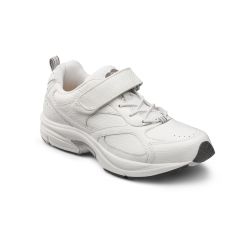
Dr. Comfort Winner X - Best Athletic Shoe for Circulation
The Winner X is an exceptional athletic shoe that combines performance with therapeutic benefits, making it ideal for walking programs and diabetic foot care. Featuring double-depth construction, this shoe easily accommodates custom orthotics, swelling, or compression socks without compromising circulation.
Key circulation features:
- Ultra-lightweight design reduces fatigue and encourages longer walks
- Exceptional gel cushioning enhances the muscle pump effect
- Moisture-wicking, breathable mesh upper prevents overheating
- Supportive insole promotes proper gait mechanics
- Available in multiple widths to prevent compression
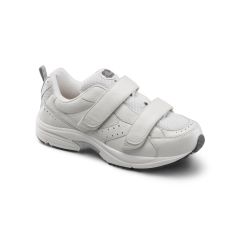
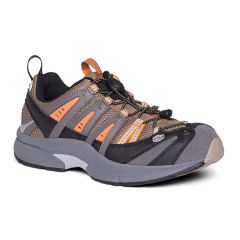
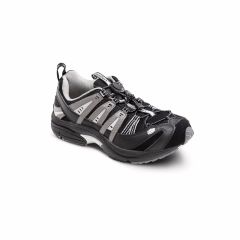
Dr. Comfort Performance - Best Cross-Trainer for Blood Flow
Designed for active individuals who need superior arch support and stability, the Performance shoe features a unique arch stabilizer that provides enhanced support while promoting proper foot mechanics. This translates to better activation of the calf muscle pump with each step.
Key circulation features:
- Advanced arch stabilizer improves venous return
- Roomy toe box ensures toes can spread naturally
- Cross-trainer design offers excellent lateral stability
- Lightweight construction reduces leg fatigue
- Medicare-approved A5500 diabetic shoe
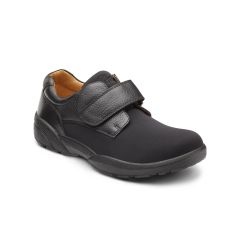
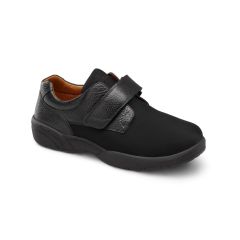
Dr. Comfort Annie X & Brian X- Best Shoes for Edema and Swelling
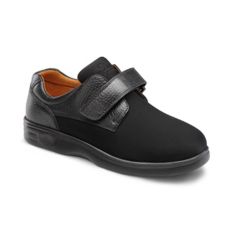
For men and women dealing with severe swelling, edema, or lymphedema, the Annie X & Brian X offer unparalleled accommodation. This therapeutic shoe features stretchable Lycra combined with leather, creating a flexible upper that adjusts to changing foot volume throughout the day without restricting circulation.
Key circulation features:
- Stretchable Lycra upper expands with swelling
- Extra-depth design accommodates compression stockings
- Removable insole allows for custom orthotic use
- Adjustable hook-and-loop closures for perfect fit
- Stylish design suitable for work or casual wear
Dr. Comfort Jack & Diane - Best Stability Shoe for Active Lifestyles
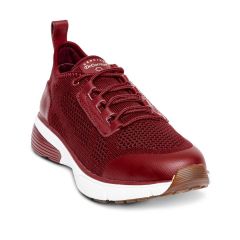
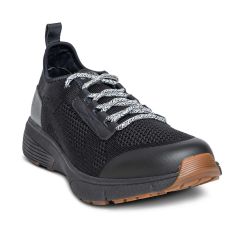
The Jack & Diane athletic shoes feature a stability-focused outsole design with a wider sole, extended heel counter, and increased toe spring—all elements that enhance support and promote healthy gait mechanics. This thoughtful design helps activate the natural muscle pump in your calves and feet with each step.
Key circulation features:
- Stability outsole optimizes muscle pump activation
- Breathable mesh maintains air circulation
- Extended heel counter provides superior support
- Cushioned interior for all-day comfort
- Protective toe bumper prevents injuries
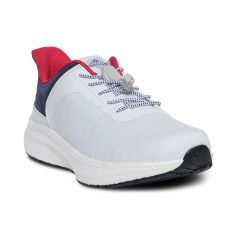
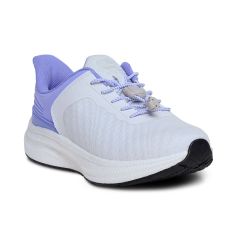
Dr Comfort Don and Joy - Best Hands-Free shoes for circulation
If you are looking for a great shoe for circulation, but don't want to bend down to tie laces, look no further than our Don and Joy Quick-Fit shoes. All the features in a slip-on package.
Key circulation features:
- Stability outsole optimizes muscle pump activation
- Lightweight materials improve mobility and reduce stress on your feet
- Extended heel counter provides superior support
- Slip resistant to help keep you on your feet
- Extra Depth to accommodate insoles and allow swelling
Additional Tips for Improving Circulation in Your Feet
Beyond proper footwear, these lifestyle modifications can significantly improve circulation:
- Elevate Your Feet: Prop your feet above heart level for 15-20 minutes several times daily to reduce swelling and improve blood flow back to the heart.
- Stay Hydrated: Proper hydration helps maintain blood volume and viscosity, improving circulation throughout your body.
- Avoid Crossing Your Legs: This position can restrict blood flow and worsen circulation problems over time.
- Massage Your Feet: Gentle foot massage can stimulate blood flow and provide relief from swelling and discomfort.
- Maintain a Healthy Weight: Excess weight puts additional pressure on blood vessels and can impair circulation in the lower extremities.
- Control Blood Sugar: For diabetics, maintaining stable blood glucose levels is crucial for preventing circulatory complications and neuropathy.
- Regular Check-ups: See your podiatrist or healthcare provider regularly to monitor foot health and address circulation issues early.
Invest in Your Circulation with Dr. Comfort Therapeutic Footwear
Your footwear choice is far more than a fashion decision, it's a critical investment in your circulatory health and overall well-being. By selecting shoes with proper support, adequate space, and circulation-friendly features, you create the foundation for healthy blood flow to your extremities and reduce your risk of serious complications.
Combine quality therapeutic footwear from Dr. Comfort with regular exercise and compression therapy, and you create a powerful trio for maintaining circulatory health. Whether you're managing diabetes, venous insufficiency, lymphedema, or simply want to maintain healthy feet as you age, the right shoes make a measurable difference.
Dr. Comfort understands that healthy circulation starts from the ground up. Our Medicare-approved styles accommodate your unique needs while supporting optimal blood flow. You don't have to choose between foot health and looking good. Our therapeutic footwear combines medical-grade construction with contemporary styling, giving you the confidence to stay active and healthy.
Ready to improve your circulation? Visit DrComfort.com to explore our full range of circulation-friendly footwear, find a local retailer, or consult with our footwear specialists. Take the first step toward healthier feet, better circulation, and improved quality of life today.
Medicare-approved | Podiatrist-recommended | Designed for comfort and health
Medical References and Sources
Lifshitz, L., Yizhar, Z., Gil, E., & Arcan, M. (2020). The effects of shoe type on lower limb venous status during gait or exercise: A systematic review.
BMC Public Health, 20(1), Article 1814. https://pmc.ncbi.nlm.nih.gov/articles/PMC7688113/
D'Août, K., Buonamici, A., Deschamps, K., & Arndt, A. (2025). Footwear Choice and Locomotor Health Throughout the Life Course: A Critical Review.
Healthcare, 13(4), Article 453. https://pmc.ncbi.nlm.nih.gov/articles/PMC11899058/
Pollet, J., Van Oevelen, A., & Mertens, K. (2024). Footwear and Foot Health: Unveiling the Role of Proper Shoe Fit in Preventing Podiatric Issues and Enhancing Well-Being.
Applied Sciences, 14(21), Article 9938. https://www.mdpi.com/2076-3417/14/21/9938
Shmerling, R. H. (2025). Could you benefit from wearing compression socks?
Harvard Health Publishing. https://www.health.harvard.edu/staying-healthy/could-you-benefit-from-wearing-compression-socks
Wu, S. C., et al. (2025). Exploring air insole pressure and walking durations effects on microcirculation in healthy individuals to optimize diabetic foot ulcers prevention.
Scientific Reports, 15, Article 1349. https://www.nature.com/articles/s41598-025-94649-z
Born, D. P., Stöggl, T., Swarén, M., & Björklund, G. (2023). Sports compression garments improve resting markers of venous return and muscle blood flow in male basketball players.
Journal of Sport and Health Science, 12(4), 513-524. https://pmc.ncbi.nlm.nih.gov/articles/PMC10362518/
Cleveland Clinic. (2025). Compression Therapy: Types and Benefits.
Cleveland Clinic Health Library. https://my.clevelandclinic.org/health/treatments/23449-compression-therapy
Tonnessen, M. (2024). Blood Clots, Varicose Veins, and Sore Legs: Can Compression Socks Help?
Yale Medicine News. https://www.yalemedicine.org/news/blood-clots-varicose-veins-sore-legs-compression-socks-help
New Jersey Podiatric Physicians & Surgeons Group. (2025). Understanding the Importance of Circulation for Foot Health.
NJPPSG Patient Resources. https://njpodiatrygroup.com/understanding-the-importance-of-circulation-for-foot-health/
The contents of this blog were independently prepared and are for informational purposes only. The opinions expressed herein are those of the author and are not necessarily indicative of the views of any other party. Individual results may vary depending on a variety of patient-specific attributes and related factors.
-

Diane
Women’s Athletic ShoeSpecial Price $140.25 Regular Price $165.00(13) ReviewsCasual footwear that helps prevent foot health issues while delivering a hint of athletic style. Learn More -
Jack
Men’s Athletic ShoeSpecial Price $140.25 Regular Price $165.00(7) ReviewsFootwear that helps prevent foot complications while delivering a hint of athletic style. Learn More -
Annie
Women’s Casual ShoeSpecial Price $140.25 Regular Price $165.00(10) ReviewsA stylish, casual shoe made with stretchable Lycra for women with sensitive feet. Learn More -
Annie X
Women's Casual ShoeSpecial Price $140.25 Regular Price $165.00(14) ReviewsA stylish, casual shoe with extra depth made with stretchable Lycra for women with sensitive feet. Learn More -
Brian
Men’s Casual ShoeSpecial Price $140.25 Regular Price $165.00(6) ReviewsA reliable, stretch Lycra® shoe delivering a classy look and tons of ventilation. Learn More -
Winner
Men’s Athletic ShoeSpecial Price $140.25 Regular Price $165.00(14) ReviewsFull top-grain leather trainer with arch stabilizer for improved support. Learn More -
Winner X
Men’s Athletic ShoeSpecial Price $140.25 Regular Price $165.00(24) ReviewsFull-grain leather sneaker built ¼ inch deeper for enhanced support. Learn More -
Performance
Men’s Athletic ShoeSpecial Price $140.25 Regular Price $165.00(63) ReviewsLightweight, cross-trainer providing arch stability, support and comfort. Learn More -
Performance X
Men’s Athletic ShoeSpecial Price $140.25 Regular Price $165.00(23) ReviewsLightweight, extra depth cross-trainer providing arch stability, support and comfort. Learn More -
Don
Men’s Hands-Free ShoeSpecial Price $140.25 Regular Price $165.00(9) ReviewsDr. Comfort® Quick-Fit: Hands-Free Comfort, Unbeatable Quality Learn More -
Joy
Women’s Hands-Free ShoeSpecial Price $140.25 Regular Price $165.00(2) ReviewsDr. Comfort® Quick-Fit: Hands-Free Comfort, Unbeatable Quality Learn More